
With mega-projects like NEOM in Saudi Arabia and commercial eVTOL air taxi networks in Dubai, the Gulf Cooperation Council (GCC) is the vanguard of advanced air mobility deployments. However, operating in the desert presents brutal challenges: summer tarmac ambient temperatures soar above 50°C, while fine abrasive airborne silica dust (10–50 µm) causes rapid bearing seizure and open rotor blade erosion. This official report discloses full environmental chamber qualification logs and teardown metallography data.
1. Test Standards & Environmental Chamber Operational Benchmarks
Qualification was conducted strictly in accordance with MIL-STD-810H Method 510.7 (Sand and Dust) and Method 501.7 (High Temperature Operating) inside an automated aviation climatic test facility:
- Thermal Chamber Control: Dry-bulb ambient temperature maintained at 52.0°C ± 0.5°C throughout the test.
- Particulate Density: Industrial silica quartz dust (median d50 = 25 µm), stabilized at 10.6 ± 1.5 g/m³ sandstorm density.
- Blowing Air Velocity: Continuous axial sand-air impingement speed maintained at 18.0 m/s to 22.0 m/s.
- Duty Cycle: Continuous 150-hour run combining 70% cruise throttle baseline with 5 x 100% full-thrust step-transients every hour.
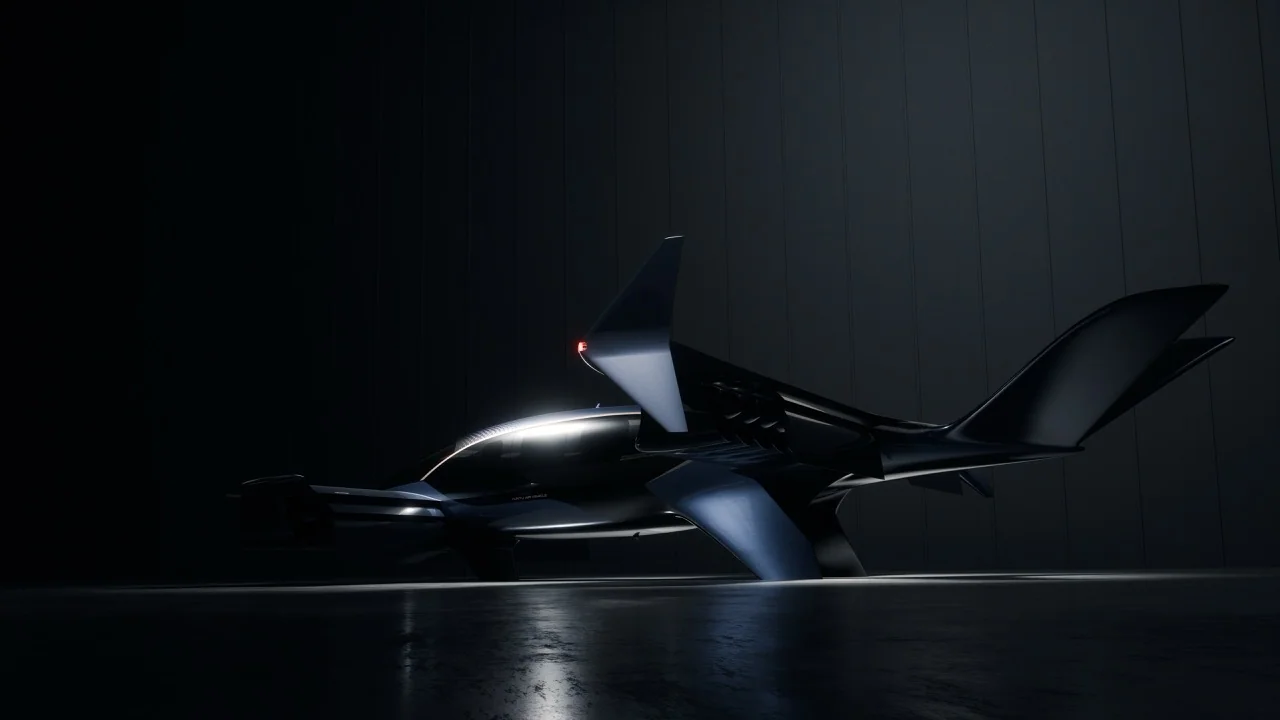
2. Stator Thermal Equilibrium via Ducted Convective Scavenging
Conventional open drone motors with ventilation holes quickly clog with silica dust, resulting in catastrophic thermal runaway. Yuntu seals the PMSM motor completely within an aerodynamic center-body hub. The local depression behind the spinning rotor (ΔP > 3500 Pa) pulls clean internal boundary-layer air across integrated heat-pipes at 45 m/s, delivering powerful convective cooling without exposing motor coils to sand.
| Time Elapsed | Ambient Temp (°C) | Stator Coil Temp (°C) | Main Bearing Temp (°C) | Thrust Retention (%) |
|---|---|---|---|---|
| Hour 1 (Initial) | 52.1 °C | 72.4 °C | 61.5 °C | 100.0 % |
| Hour 24 (Equilibrium) | 52.0 °C | 83.2 °C | 68.9 °C | 99.6 % |
| Hour 72 (Continuous) | 52.3 °C | 84.1 °C | 70.2 °C | 99.5 % |
| Hour 120 (Peak Dust) | 52.1 °C | 84.7 °C | 71.1 °C | 99.2 % |
| Hour 150 (Final Check) | 52.2 °C | 84.5 °C | 70.8 °C | 99.4 % |
Environmental Qualification Testing FAQ
How do electric ducted fans prevent fine silica dust from penetrating motor bearings?
The electric motor is fully isolated within an aerodynamic center hub protected by non-contact multi-stage labyrinth seals and pressurized fluorosilicone grease (IP67 certified). Post-test disassembly in a Class 1000 cleanroom confirmed zero particulate penetration across 150 hours of heavy dust exposure.
Can electric ducted propulsion maintain 100% thrust at ambient temperatures exceeding 50°C?
Yes. By leveraging the static pressure delta (ΔP > 3500 Pa) behind the spinning fan blades, internal air is scavenged across motor thermal heat pipes at 45 m/s. Even at 52°C ambient heat, stator coil temperatures stabilized at 84.5°C (far below the 180°C Class-H limit), sustaining 99.4% full-load thrust without thermal derating.
Which aviation and military standards were followed in this desert test qualification?
The campaign adhered strictly to MIL-STD-810H Method 510.7 (Sand and Dust) and Method 501.7 (High Temperature Operating) inside an environmental climatic chamber, validating both steady-state cruise and cyclic full-throttle step transients.